Dead Tree Removal in Pottstown, PA
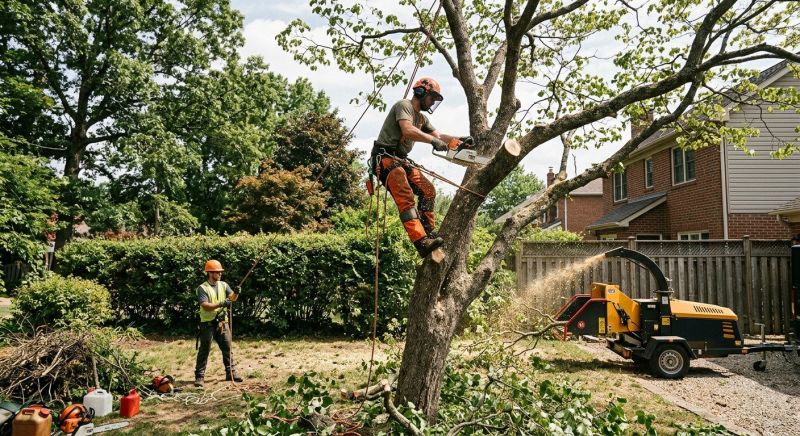
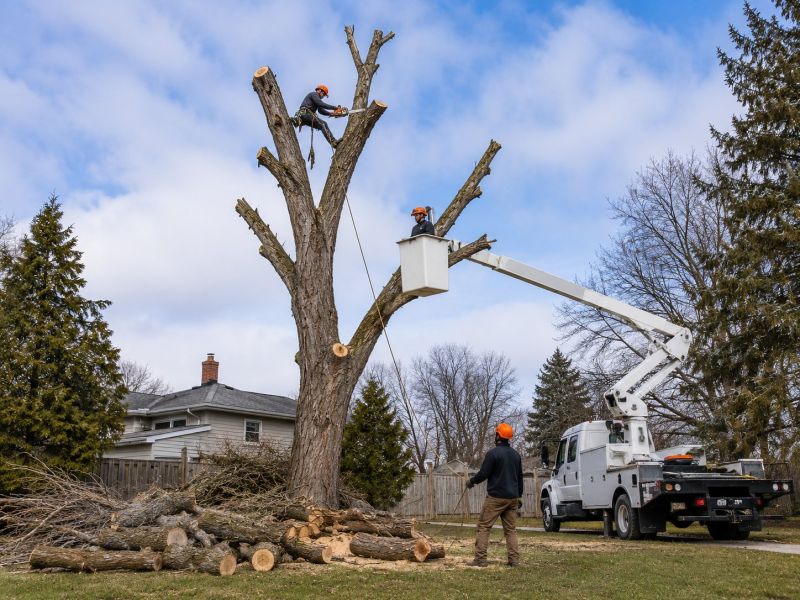
Dead tree removal services involve the safe and efficient removal of trees that are dead, decaying, or posing a risk to property and safety. This type of service typically covers projects such as removing trees that have become hazardous due to disease, storm damage, or old age, as well as clearing trees that are crowding or encroaching on structures, power lines, or other trees. Property owners often seek this service to prevent potential damage caused by falling branches or entire trees, and to maintain the overall health and appearance of their landscape.
Before requesting dead tree removal, property owners should consider the size, location, and condition of the tree, as well as any nearby structures, utilities, or landscaping. It’s important to understand the potential impact on surrounding areas and to identify any restrictions or considerations related to property access or permits. Proper planning ensures the removal process is carried out safely and efficiently, minimizing disruption to the property and surrounding environment.
Many property owners in Pottstown, PA look into Dead Tree Removal for repairs, replacements, upgrades, and appearance-related improvements.
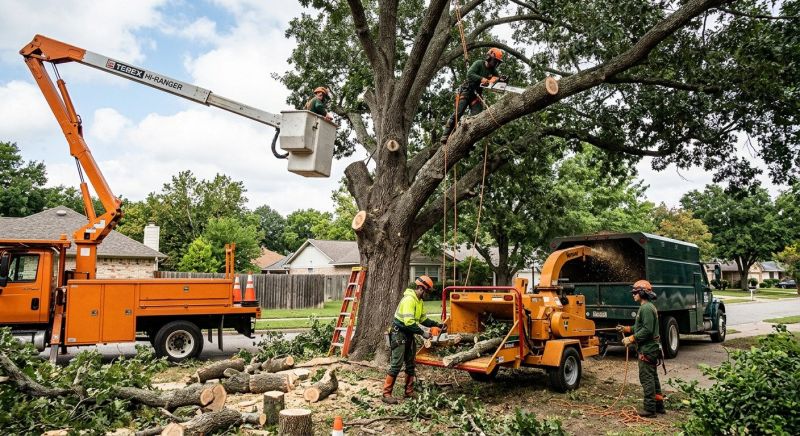
Safety And Clearance
Removing dead trees helps prevent potential hazards to property and people.
Property Aesthetics
Eliminating dead trees can improve the appearance and value of residential and commercial properties.
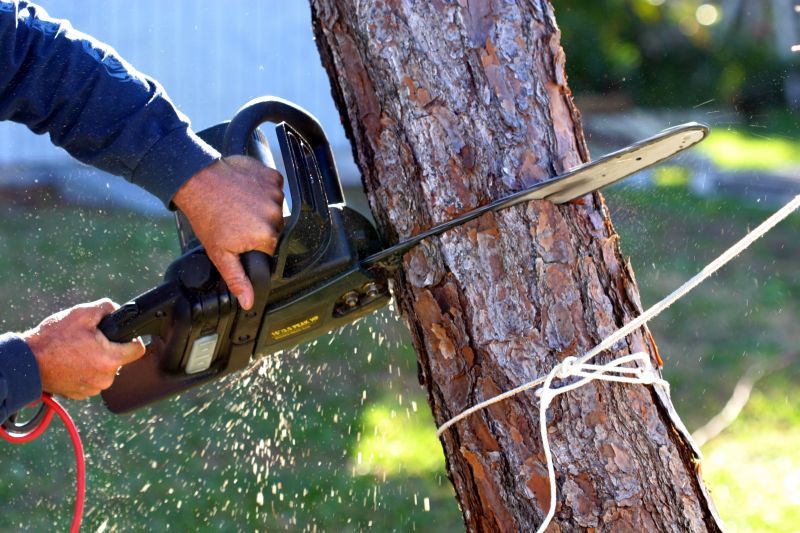
Tree Health And Maintenance
Dead tree removal is often part of ongoing landscape management to promote healthier surrounding trees and plants.
Dead Tree Removal in Pottstown, PA
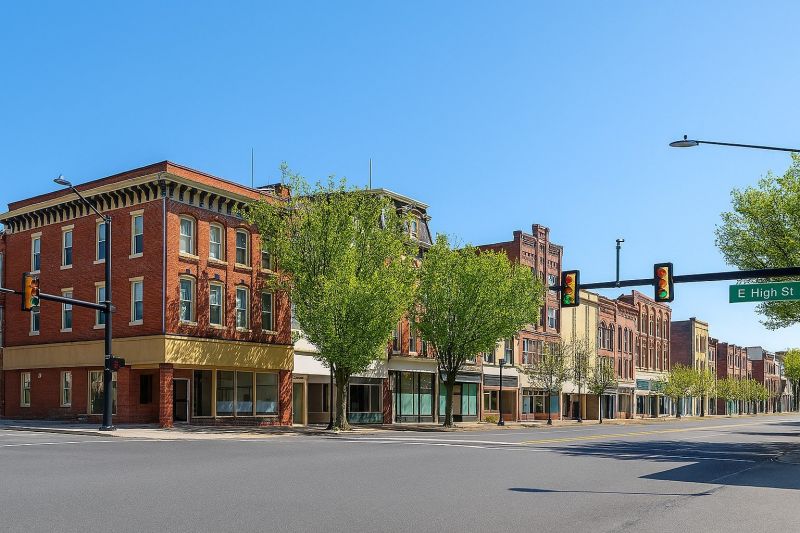
Dead tree removal services involve the safe and efficient removal of trees that are dead, decaying, or posing a risk to property and safety. This type of service typically covers projects such as removing trees that have become hazardous due to disease, storm damage, or old age, as well as clearing trees that are crowding or encroaching on structures, power lines, or other trees. Property owners often seek this service to prevent potential damage caused by falling branches or entire trees, and to maintain the overall health and appearance of their landscape.
Before requesting dead tree removal, property owners should consider the size, location, and condition of the tree, as well as any nearby structures, utilities, or landscaping. It’s important to understand the potential impact on surrounding areas and to identify any restrictions or considerations related to property access or permits. Proper planning ensures the removal process is carried out safely and efficiently, minimizing disruption to the property and surrounding environment.
Many property owners in Pottstown, PA look into Dead Tree Removal for repairs, replacements, upgrades, and appearance-related improvements.
Common Dead Tree Removal Jobs
Dead Tree Removal - Eliminates hazardous or decayed trees to improve property safety.
Stump Grinding - Removes remaining stumps to prevent pest infestations and allow landscaping.
Emergency Tree Clearing - Handles urgent removals after storms or severe weather events.
Selective Deadwood Removal - Clears dead branches to promote healthy tree growth.
Property Cleanup - Removes debris and wood chips left after tree removal projects.
Tree Health Assessment - Evaluates dead or dying trees to determine removal necessity.
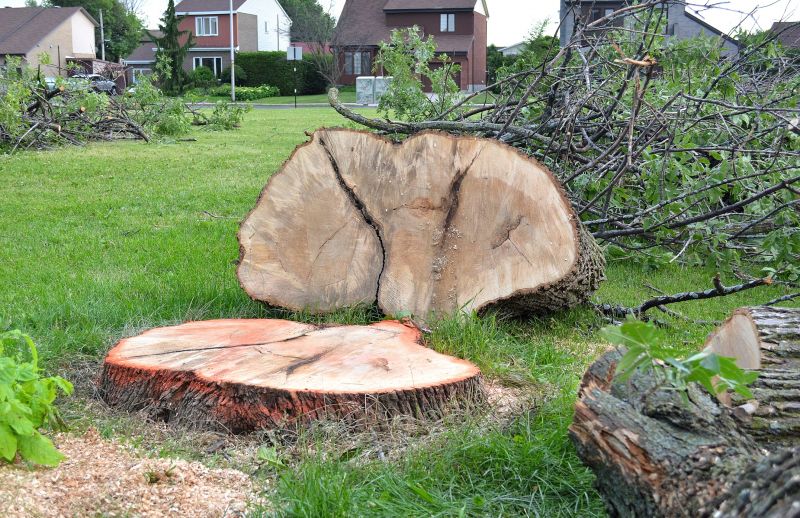
Dead Tree Removal Questions
Why remove a dead tree? Removing dead trees helps prevent potential hazards like falling branches or the tree toppling, which can damage property or pose safety risks.
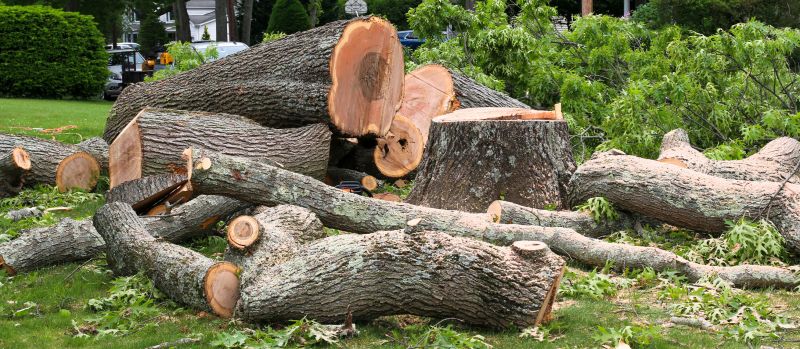
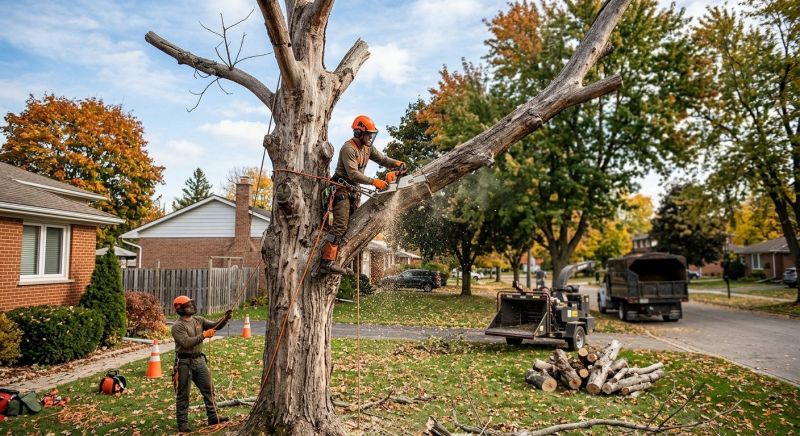
How is a dead tree removed? The process typically involves cutting the tree into manageable sections and safely removing the debris from the property.
Can dead trees be left untreated? Dead trees are generally removed to avoid risks, as they can decay further and become unstable over time.
What signs indicate a tree may be dead? Signs include lack of leaves during the growing season, brittle branches, and visible decay or fungal growth on the trunk.
Request Dead Tree Removal in Pottstown, PA
Use the quote form on this page to share the basics of your project and request more information for the type of work you need.